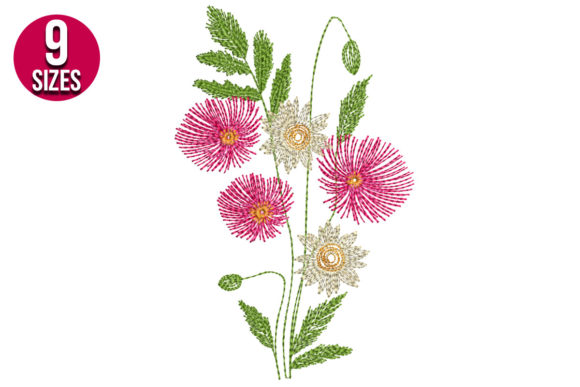
A Designer’s Take on Flower Bunch Embroidery
Let’s talk about the Flower Bunch embroidery design. As someone who stitches designs for clients, sells finished products, and constantly evaluates files for real-world use, I approach every new design with a practical eye. Is it just pretty on screen, or will it translate into a beautiful, reliable, and valuable finished product? This review is about how Flower Bunch holds up under that scrutiny.
The First Impression: Freshness You Can Actually Use
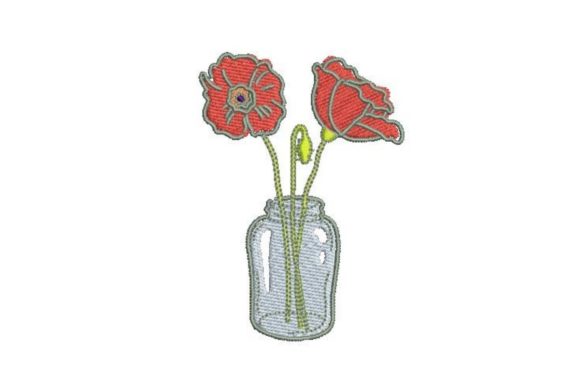
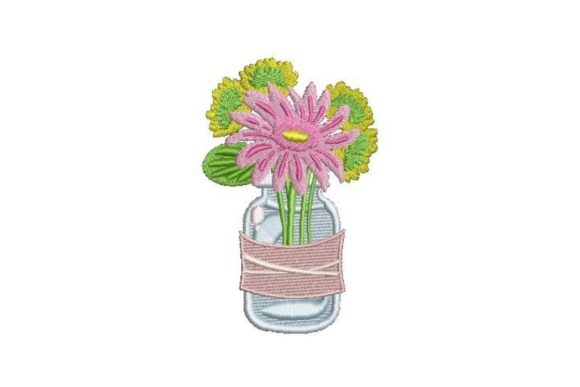
Flower Bunch immediately strikes you with a gentle, natural charm. It’s not overly formal or rigid; it feels like a casual, cheerful arrangement. The layout suggests a loose bouquet, which gives it a versatile personality. It doesn’t scream “special occasion only.” This is key for makers. A design with this mood can slide seamlessly from a personalized baby blanket to a boutique kitchen towel, or from a casual sweatshirt to a decorative pillow. The detail level appears balanced—likely enough satin and fill stitches to give the flowers body without looking overwhelmingly dense. That’s a good sign for both visual appeal and stitching performance.
Where Flower Bunch Naturally Belongs
I’m already picturing specific projects. Imagine a custom tote bag for a garden-loving client. This embroidery file would sit perfectly centered, bringing that “freshness” the description mentions directly into a usable, everyday item. For an Etsy seller focusing on home decor, a set of tea towels or pillow covers featuring this design would create a cohesive, charming collection. In my mind, it’s also a strong candidate for baby items—perhaps the corner of a nursery blanket or a delicate accent on a little onesie. The theme is universally pleasant, avoiding overly gendered or niche associations, which broadens its commercial appeal.
Performance in Real Embroidery Situations
Now, the practical test. How would Flower Bunch perform on actual fabrics and products? For custom apparel, like a sweatshirt or t-shirt, the balanced detail suggests it should handle the fabric’s texture and stretch well, provided proper stabilizer is used. On a tote bag, the stitch density will need to be sufficient to stand up to wear and look polished. As an embroidered patch, the design’s defined shape would likely work beautifully, offering makers a versatile product to apply to caps, jackets, or bags.
For small business merchandise—think items for a craft fair or a small shop—this design adds value. It elevates a simple apron or a plain pillow cover into a handmade product with a professional finish. Its visual clarity should translate well into digital product previews and printable mockups, which is crucial for digital embroidery file sellers. A customer browsing an online listing can immediately grasp the gentle aesthetic, boosting engagement and trust in the finished product’s quality.
A Scenario: Preparing a Gift Tote Bag
Let’s walk through a real case. I’m preparing a custom embroidered tote bag as a wedding gift. I choose Flower Bunch for its natural, celebratory yet not overly romantic feel. My first step is always to test the embroidery file on scrap fabric of similar weight. I check thread color contrast—perhaps using soft greens and blush tones against the natural canvas. I review the stitch density on the scrap; are any areas too dense, causing puckering, or too sparse, looking unfinished? I confirm the minimum hoop size required (always check the designer’s specs) to ensure my bag panel can accommodate it. After stitching, I inspect the small details: the junctions between flowers, the outlines. A clean result here means the design is well-digitized, increasing my confidence for client projects.
Careful Application: Where to Pay Attention
Even a lovely design like Flower Bunch has considerations. On very small hoop sizes, the intricacies might lose clarity. On textured or stretchy fabrics like some sweatshirt materials, meticulous stabilizer choice is non-optional. On dark fabrics, the thread color palette needs to be chosen deliberately to maintain the “fresh” feel—maybe opting for brighter, contrasting hues.
I’d be cautious applying it to highly curved surfaces like caps without first testing; the design’s layout might need positioning adjustment. For products needing frequent washing, like baby clothes or kitchen towels, a robust stitch construction is vital. The description doesn’t specify exact stitch counts, so testing on scrap is your best insurance. Also, for layered garments or items with detailed corners, ensure the design scale fits the available space without crowding.
How It Affects Your Product’s Appeal and Value
Using a well-executed design like this directly impacts your product’s perceived value. Clean stitching with good clarity enhances customer trust—they see a professional handmade presentation. For a creative entrepreneur, it supports brand consistency if you’re building a line around a natural, cheerful aesthetic. The giftability of items adorned with Flower Bunch is high; it’s recognizably pretty without being generic. This engagement is what turns a viewer into a buyer.
Practical Notes for the Working Designer
Before committing Flower Bunch to a client project or your shop inventory, here’s my checklist. Always, always test on scrap first. Check it on both light and dark fabric backgrounds if you plan to offer both. Use proper stabilizer for your target fabric. Inspect the small details in your test stitch for any potential snags or awkward jump stitches. If you’re creating digital product mockups, test the design preview in black and white to ensure contrast holds up even in grayscale.
Crucially, confirm the licensing terms for this machine embroidery design before selling finished items or including it in commercial embroidery projects. The product category is Bouquets, and the type is Embroidery, but the specific license details—personal use, commercial use, or both—are essential for professional use. Never assume.
Finally, think about thread colors. This gorgeous flower embroidery suggests a natural charm, so your thread selection can enhance or alter that mood. Play with palettes on your test scrap to see what fits your specific product vision—a vintage look, a bright modern pop, or the soft natural scheme it intuitively suggests.
The Final Judgment: A Versatile Asset
Flower Bunch, from a designer’s perspective, feels like a versatile and reliable embroidery design asset. Its mood is broadly appealing, its layout seems practical for many applications, and its detail level appears suitable for a range of projects from apparel to home decor. For craft businesses, Etsy sellers, and hobbyists looking to create valued finished products, it offers a strong foundation. Its success in your hands, however, will always come down to that professional, practical preparation: testing, stabilizing, and stitching with intention. That’s where any good digital embroidery file truly blossoms into a product your customers will love.