A Real-World Review of the Mason Jar with Flowers Embroidery Design
When you download a new embroidery design, the first question is always: will this look as good stitched out as it does on the screen? As a designer who’s stitched hundreds of designs for client projects and my own handmade products, I approach each new file with a practical eye. Today, I’m thinking through the Mason Jar with Flowers design, a charming machine embroidery design from the Bouquets category, imagining exactly where it would shine in a real embroidery project.
The Instant Mood: Rustic Charm with Clear Detail
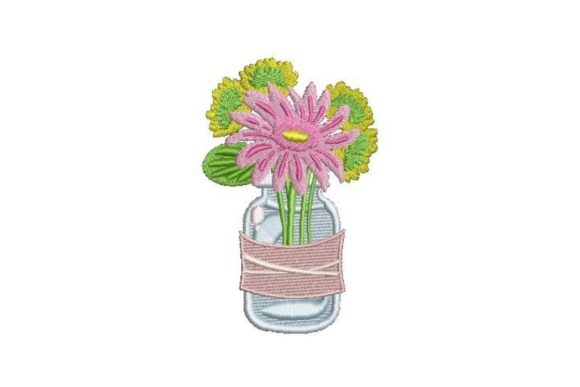
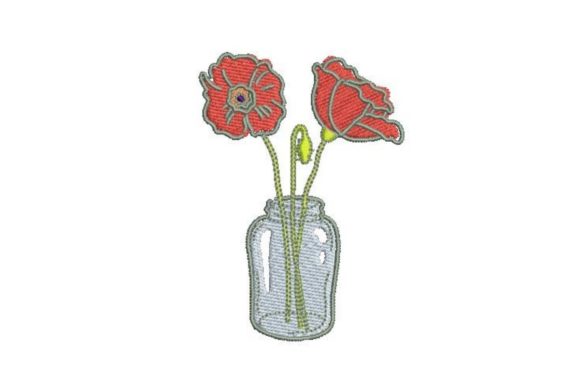
The first impression of Mason Jar with Flowers is one of gentle, rustic charm. It’s not overly fussy or crowded. The layout feels balanced—the jar has a solid, recognizable shape, and the flower bouquet inside has a loose, natural arrangement. This level of detail suggests it’s meant to be appreciated, not just glanced at. It creates a mood of homemade comfort, which is perfect for products aimed at a customer looking for that personal, handmade product feel. The visual personality is friendly and approachable, leaning towards gifts, home decor, and personalized wearables rather than corporate branding.
Where This Design Naturally Belongs
In my mind, I immediately picture this design stitched onto a linen tea towel or the corner of a cotton apron. It’s a quintessential kitchen accent. But its appeal is broader. I’m thinking of a client who wants a custom apparel gift—perhaps a sweatshirt embroidery for a gardening friend, or a baby embroidery motif on a little onesie for a nursery-themed gift. For small shop products, this would be a beautiful addition to a tote bag design, a simple pillow cover, or even a framed embroidered patch sold as craft business decor. The theme is versatile: it could work for a wedding gift, a holiday embroidery present (think Mother’s Day), or general boutique branding for a shop that sells rustic goods.
Performance on Real Products: A Scenario
Let’s walk through a real case. I’m preparing a batch of personalized gifts for a small event—let’s say embroidered kitchen towels for a bridal shower. I choose a mid-weight, natural-colored cotton fabric. My goal is a clean, crisp finish that feels substantial and professional. Stitching out Mason Jar with Flowers, I’d be watching for a few key things. The outline of the jar needs clean satin stitch or a confident running stitch to hold its form. The flower fill stitch areas shouldn’t be so dense that they pucker the lightweight fabric. The smaller details, like the individual petals or leaves, need to be distinct enough to be appreciated after washing. If this design has “great details” as described, I’d expect those details to translate into clear stitching, not a muddy blob of thread. On a finished towel, this design would elevate the product’s value—it looks intentional and skillfully made, which builds customer trust and makes the item truly giftable.
Visual Appeal and Professional Impact
For an Etsy seller or creative entrepreneur, the finished look directly affects buyer engagement. A well-executed Mason Jar with Flowers on a product photo or printable mockup tells a story. It suggests attention to detail and quality. This consistency across your small business merchandise helps with brand consistency. For apparel decorators, using a design with such a clear, pleasant theme on a cap or sweatshirt can increase its recognition and desirability as a holiday gift or boutique item. The design’s stitching clarity is paramount—if the jar and flowers are distinct, the whole piece feels professional.
Careful Application: Where to Use (and Where to Avoid)
While charming, designs with botanical elements often have finer lines. Here’s my practical judgment on where Mason Jar with Flowers might need extra consideration. On highly textured fabrics like terry cloth or boucle, the finer details could get lost. On very thin fabric or stretchy fabric, aggressive stitch density in the fill areas could lead to distortion—proper stabilizer choice is critical. Embroidering on dark fabric requires thoughtful thread color contrast planning; a pale jar on a black shirt needs pop. The design might be challenging on a very small hoop size if the details are intricate; you’d risk losing definition. Similarly, on a curved surface like a cap, any tiny, intricate corners in the jar’s lip or flower stems might not stitch out perfectly. For products destined for frequent washing, like baby clothes or kitchen linens, you’d want to ensure the stitch structure is robust enough to hold up.
Designer Notes Before You Hoop
Before committing this to a client project or your next batch of craft fair products, do your homework. Always test the design on scrap fabric first, using the same material and stabilizer you plan for the final product. Check thread color contrast by viewing the design in both black and white mockups to see how the shapes hold up without color. Review stitch density by stitching a sample; does it feel too thick for your intended fabric? Confirm hoop size by checking the design’s dimensions—the description mentions it comes in multiple embroidery file formats, which is excellent for machine compatibility, but the physical size is key. Inspect small details in your test stitch: are the flower centers clear? Does the jar’s rim look clean? Finally, compare light and dark fabric backgrounds in your mind or with a quick test to gauge its versatility.
For commercial embroidery or selling the finished product, a crucial step is to confirm licensing before selling finished items or digital products. The product description doesn’t specify license terms, so it’s your responsibility to verify that. Also, consider how this digital embroidery file fits as a design asset in your library—does it work for both personal and commercial projects you envision?
The Final Stitch: A Design with Purpose
Overall, Mason Jar with Flowers presents as a design with a clear purpose. It’s not a generic graphic; it evokes a specific, warm feeling. In a real-world setting—stitched onto a tea towel for a farmhouse-style kitchen, or on the back of a denim jacket for a personalized product—it would likely achieve that “great addition to your home’s own-made decorations” vibe. Its success hinges entirely on the translation of those “great details” into physical thread. With proper testing and application on suitable products, it can become a reliable, appealing part of your embroidery project repertoire, adding value to your handmade presentation and helping you create items that customers and gift recipients genuinely connect with.