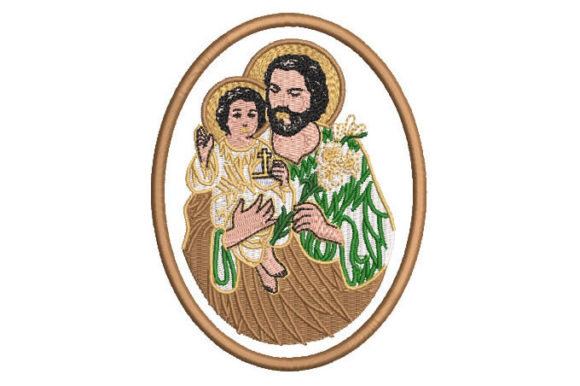
A First Communion Embroidery Design in Real Project Use
When a new embroidery design lands on my screen, my first thought isn’t just about how pretty it looks digitally. It’s about how it will translate into thread and fabric, and whether it will meet the expectations of a client or a customer. Today, I’m looking at the First Communion Cup and Ostia design, considering its potential for real-world projects.
The Immediate Mood and Visual Personality
The First Communion Cup and Ostia design presents a classic, reverent theme. The layout is centered and symbolic, creating a sense of solemnity and celebration—a perfect balance for the occasion. The detail level feels thoughtful; it’s not overly ornate, which is a practical advantage. This simplicity means it won’t become a dense, stiff patch of stitches on lighter fabrics like a child’s dress or a delicate handkerchief. Its visual personality is clean and recognizable, which is crucial for a design representing a significant religious milestone. It feels like it belongs on items meant to be cherished, not just worn.
Where This Design Naturally Finds Its Home
In my workshop, I immediately picture this design on a few key items. A custom embroidered tote bag for the child to carry their Bible or gifts creates a beautiful, functional keepsake. Stitched onto the front of a simple sweatshirt or the corner of a blanket, it becomes a personalized gift that stands out from generic store-bought options. For small business owners, especially Etsy sellers focusing on religious or handmade children’s products, this design is a ready-made asset. It could elevate a simple white pillow cover for a nursery or a tea towel in a family kitchen, turning everyday items into commemorative pieces.
The First Communion Cup and Ostia embroidery design also has strong potential as an applique element on a baby’s first communion outfit or as a finely stitched patch that can be sewn onto a cap. For apparel decorators, it’s a design that adds value without overwhelming the garment’s fabric. The theme is specific, which actually helps in marketing; customers looking for a first communion gift will instantly recognize and connect with it on a boutique product or in a craft fair display.
Performance on Actual Products and Materials
Thinking practically about embroidery, this design’s success hinges on execution. On a sturdy tote bag or denim apron, the stitches will hold up beautifully. On a stretchy cotton t-shirt or a thin linen handkerchief, however, you must be cautious. The potential for puckering, especially if any fill stitch areas are dense, is real. I would always test this machine embroidery design on a scrap of the target fabric first. This is non-negotiable for professional results.
For dark fabric backgrounds, thread color contrast is paramount. A design like this, relying on clear symbolism, loses its impact if the gold of the cup or the white of the ostia doesn’t pop. I’d advise checking the provided thread color list and perhaps doing a sample in a black-and-white printable mockup to visualize the contrast. Using the proper stabilizer for the fabric texture—whether it’s a textured towel or a smooth cap—will make all the difference in stitching clarity.
Caution Areas for a Smooth Embroidery Process
There are always careful-use scenarios. If the design file includes very small lettering or intricate details around the cup’s edges, stitching it on a small hoop size (like for a baby garment) might require simplifying or ensuring your machine’s tension is perfect. Layered garments with curves, like caps, demand extra attention to stabilizer and hooping to prevent distortion. And for any product destined for frequent washing—a kitchen towel or a child’s sweatshirt—you need to assess the stitch density. Too dense, and the area becomes rigid and prone to wear; too sparse, and it might not withstand the washes.
The commercial use of such a design is a key consideration for craft businesses and digital product sellers. Before selling finished items embroidered with First Communion Cup and Ostia, you must confirm the licensing terms of the embroidery file. Can it be used for commercial embroidery projects? This step protects your business and maintains customer trust.
How This Design Impacts Your Product’s Appeal and Value
From a reviewer’s perspective, a well-stitched First Communion Cup and Ostia design elevates a product. It adds a layer of handmade presentation and professionalism that buyers appreciate. For a creative entrepreneur, it offers brand consistency if you specialize in religious or commemorative gifts. The giftability of an item featuring this design is high—it’s personal and meaningful. This directly affects buyer engagement in your Etsy listings or small shop product pages. A clean, crisp embroidery result speaks to quality and care, which customers can see even in digital product previews.
However, the value hinges entirely on the final execution. A misaligned stitch or poor color choice on a dark background can undermine that trust. My strong advice is to never skip the scrap-fabric test. It reveals everything: how the satin stitches look, whether any running stitch outlines are clean, and how the design sits in your chosen hoop size.
Final Practical Notes for Your Project
As you prepare to use this embroidery design, keep these notes in mind. First, review the multiple embroidery file formats provided. Ensure you have the correct one for your machine. Second, consider the end product’s context. Is it a decorative pillow cover or a functional apron? This influences your choice of thread type and stabilizer. Third, think about scale. While the product description suggests it will look great on clothing or accessories, visualize it on your specific item—a small logo on a cap versus a larger centerpiece on a tote bag.
Embroidery, especially for a commercial craft business, is about marrying a beautiful digital asset with physical craft. The First Communion Cup and Ostia design has the foundational elements for success: a clear theme, a balanced layout, and symbolic weight. Your job as the maker is to bring it to life with technical care, ensuring that every stitch reflects the importance of the occasion it represents. That combination is what creates a truly exceptional finished product.