A Professional's Review of the Bow Bat Embroidery Design for Business Use
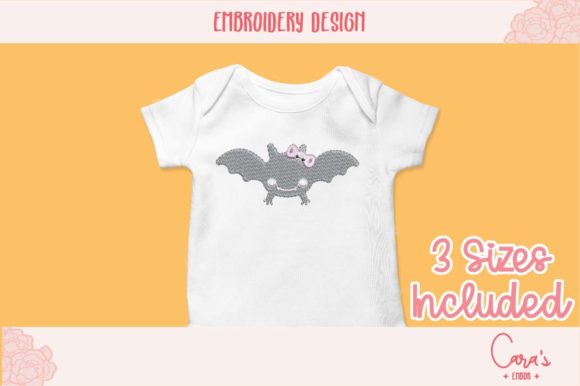
As an embroidery designer who works daily with small business owners to create branded merchandise, my first task is always to evaluate a design's potential beyond its decorative charm. The Bow Bat design presents a compelling case. The initial impression is one of clever, playful elegance. The concept—a bat adorned with a bow—immediately softens a traditionally spooky motif, making it feel friendly, approachable, and distinctly handmade. This isn't just a Halloween decoration; it's a character with personality, which is a goldmine for building a relatable brand identity.
Visual Personality and Brand Alignment
The Bow Bat carries a visual tone that sits perfectly between rustic charm and modern whimsy. For a business, this opens doors. A local café could use it as a subtle sleeve detail on staff uniforms to hint at a cozy, autumnal vibe without being overtly scary. A boutique or creative studio might adopt it as a primary logo accent for fall-season merchandise, signaling creativity and a touch of quirky elegance. For a pet brand, bakery, or florist, this design offers a way to engage customers with a theme that feels festive and premium, yet utterly approachable. The design’s inherent "adorable" quality, as noted in its description, directly translates to customer trust and engagement—it feels genuine and crafted with care.
Performance in Real Business Applications
Moving from impression to practical application, the Bow Bat machine embroidery design shows strong versatility for small business merch. Its success hinges on understanding its best-use scenarios.
Prime Applications for Branded Merchandise
This design excels as a small-scale accent. Consider these high-value applications:
- Embroidered Patches: The Bow Bat is ideal for a custom patch. Applied to aprons, tote bags, or even as a product label on handmade goods, it adds significant perceived value. For an Etsy seller or craft business, a patch with this character can transform a simple tote bag into branded event merch or a customer gift.
- Cap Embroidery: On the front of a cap, its compact, rounded shape should work well, provided the final stitch count and density are suitable for the curved surface.
- Apparel Details: As a chest logo or sleeve detail on staff uniforms or work shirts, it offers a professional yet playful touch that doesn't overpower the garment.
- Product Packaging Accents: For a boutique or studio, embroidering the design directly onto fabric bags or using it as a reference for printable mockups can create beautiful visual consistency across products.
Considerations and Areas for Caution
To ensure a flawless finished product, a professional must approach certain applications with care. Key areas to scrutinize include:
- Very Small Patch Sizes: If reducing the design for a tiny patch (e.g., under 2 inches), the bow details and potentially delicate outlines might lose definition. Always test it at the intended small patch size before production.
- Detailed Outlines on Textured Fabric: On heavily textured fabrics like some canvas tote bags or rustic aprons, fine lines may not read clearly. A test stitch on the actual fabric is non-negotiable.
- Dark Uniforms or Backgrounds: The design description suggests "brightening up" a scene. On dark garments, thread color contrast is paramount. You might need to adjust default color palettes to ensure the bat and bow pop effectively.
- Items for Frequent Washing: For uniforms or aprons subjected to heavy use, evaluate the stitch density. High density can make fabric stiff and less durable over many washes. Proper stabilizer choice is critical here.
The Designer's Workflow: Pre-Production Checks
Before this digital embroidery file ever touches a hoop for commercial embroidery, my process involves several concrete steps to protect the client's brand and investment.
- Test in Monochrome First: Run a test stitch in black and white thread on a neutral fabric. This reveals the design's structural integrity without color distracting you, highlighting any spacing or density issues.
- Confirm Hoop Size and Stabilizer: Based on the intended application (cap, patch, bag), verify the minimum hoop size required and pair it with the correct stabilizer. The design description doesn't specify format or size, so you must check these details with the file provider.
- Review Thread Color Contrast: Create a thread palette that works for your specific fabric, especially for dark backgrounds. Does the design allow for color changes that maintain its "adorable" character?
- Create a Printable Mockup for Client Approval: Before stitching on final merchandise, provide the client with a mockup showing the Bow Bat on their actual product (apron, cap, tote). This confirms alignment with their brand identity.
- Compare Beside Other Design Assets: If this is an accent to a larger logo, stitch them together in a sample to ensure visual harmony and professionalism.
- Confirm Commercial Licensing: The description notes it's a machine embroidery design. Always confirm the licensing terms for business use before starting any production run for branded merch.
Final Assessment: Value for Your Brand
The Bow Bat is more than a Halloween embroidery. For a small business, it's a versatile design asset that can elevate brand identity through handmade presentation. Its playful elegance can enhance customer recognition and increase the perceived value of your custom apparel and products. When applied thoughtfully—with attention to size, fabric, and color—it becomes a mark of quality and creativity. Whether destined for an apron in a bakery, a patch on a pet brand's tote, or a cap for a café's event, its success lies in treating it as a brand-building tool, not just a decoration. Execute the pre-production checks diligently, and this unique bow bat will not only brighten up a design but brighten up your brand's connection with your audience.