Practical Review of The Magician Kawaii Tarot Card Embroidery Design
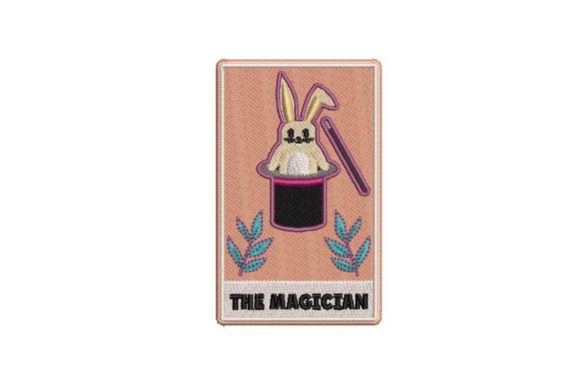
When you’re evaluating an embroidery design for real project use, it’s not just about the cute preview image. It’s about imagining how it will stitch out, how it will feel on fabric, and whether it will truly resonate with a client or customer. Today, I’m looking at The Magician Kawaii Style Tarot Card, an adorable tarot card design that promises to be a great decoration. My perspective is that of a designer who needs reliable, visually appealing files for custom apparel, handmade gifts, and small shop merchandise.
First Impression: More Than Just a Cute Image
This design immediately evokes a playful, mystical mood. The kawaii style softens the traditional symbolism of The Magician, making it approachable rather than arcane. The shape is clean, likely framing the central character nicely, and the layout feels balanced for a standalone motif. The detail level seems well-suited for embroidery—it appears to have distinct areas for fill stitches and satin stitches without overly dense, problematic corners. Its visual personality is friendly and modern, which tells me it naturally belongs to projects aimed at a younger audience or those seeking a whimsical, lighthearted touch. I picture it on a tote bag for a yoga studio client, a sweatshirt for a boutique, or as a decorative patch for a creative entrepreneur’s brand.
Where This Design Finds Its Magic in Real Projects
Thinking through real-life embroidery situations, The Magician Kawaii Style Tarot Card has a versatile charm. For custom apparel, like a high-quality cotton sweatshirt or a linen t-shirt, it would stitch out as a clean, engaging focal point. On a canvas tote bag, it would elevate a simple accessory into a personalized gift. Its adorable aesthetic makes it a strong candidate for baby clothes or nursery decor items—think a subtle motif on a blanket corner. As an embroidered patch, it could be easily applied to caps or aprons, offering a unique, handmade presentation.
For small business owners and Etsy sellers, this design adds value. It could transform a plain tea towel into a themed kitchen item, or a pillow cover into a cozy, mystical accent. As a holiday or wedding gift, its uniqueness ensures it won’t be a generic, store-bought item. In craft fair products or boutique branding, it provides a consistent, recognizable visual that can build customer trust and engagement. For digital product sellers, this embroidery file could be a solid asset for printable mockups or commercial embroidery projects, provided licensing is confirmed.
A Specific Scenario: Crafting a Boutique Tote Bag
Let’s say I’m preparing a custom embroidered tote bag for a small shop selling crystals and wellness items. Using The Magician Kawaii Style Tarot Card, I’d consider thread colors. On a natural cotton fabric, bright, cheerful threads would pop, enhancing the kawaii feel. The design’s balanced layout would stitch clearly without overwhelming the bag’s surface. I’d anticipate customers reacting positively to the blend of spirituality and cute design—it’s approachable and sells a mood, not just an image. This is exactly where such a design fits best: enhancing product value through thoughtful, professional embroidery.
Caution Points: Where to Use This Design Carefully
Not every embroidery design is for every surface. With any design, especially one with presumably defined shapes and details like this, careful application is key. I would be cautious using The Magician Kawaii Style Tarot Card on very small hoop sizes, as intricate elements might lose clarity. Textured or stretchy fabrics, like certain knits, could distort the clean lines unless paired with the proper stabilizer. Thin fabrics might show tension issues with denser fill stitch areas.
- On dark fabric backgrounds, thread color choice becomes critical—test contrasts on scrap first.
- On curved surfaces like caps, the design’s proportions might need checking to ensure it sits well.
- If the design includes tiny lettering or very detailed decorative accents, those areas deserve extra inspection during a test run.
- For products that need frequent washing, like baby clothes, ensuring stitch density is secure and threads are locked is paramount.
The goal is to preserve the design’s visual appeal and stitching clarity for the long term, which directly impacts customer trust and the product’s professionalism.
How This Design Impacts Your Creative Business
From a business perspective, an embroidery file like this affects several layers. Its visual appeal attracts buyer engagement—it’s a conversation starter. The stitching clarity, when executed well, speaks to your craftsmanship, building handmade presentation value. Using it consistently across a product line, say a series of kawaii tarot cards, enhances brand consistency. As a gift, it’s highly giftable due to its unique theme and adorable execution.
For commercial embroidery, it can become a reliable part of your offerings. However, its success hinges on practical preparation. Always test the design on scrap fabric identical to your final project fabric. Review the stitch density in the actual embroidery file to gauge if it’s suitable for your chosen material. Confirm the necessary hoop size through testing. Inspect how small details render. It’s also wise to test the design in black and white mockups to understand its form without color distraction and compare how it looks on both light and dark fabric backgrounds.
Essential Designer Notes Before You Stitch
My final thoughts are these practical notes, the kind I jot down before committing to a project:
- This machine embroidery design comes with multiple embroidery files. I would examine each file format to ensure compatibility with my machine.
- Thread color selection should enhance the kawaii style—brights and pastels likely work best.
- Use a stabilizer appropriate for the fabric texture; don’t skip this step.
- Check whether the design is intended for both personal and commercial projects. The product description mentions creating decorations and getting the entire collection, but I would confirm the licensing terms before selling finished items or digital products derived from it.
- For projects like patches or apparel decor, consider how the finished product will be assembled. Will it be an applique design, or primarily satin and fill stitches? Understanding the stitch types helps plan.
The Magician Kawaii Style Tarot Card is a charming entry in the Games category that, with careful application, can produce wonderful embroidery projects. It fits naturally into the worlds of craft businesses, Etsy sellers, and creative entrepreneurs looking for designs with personality. By approaching it with a practical, observant eye—testing thoroughly and matching it to the right products—you can unlock its potential for personalized gifts, custom apparel, and standout small shop merchandise. The magic, as always, is in the execution.