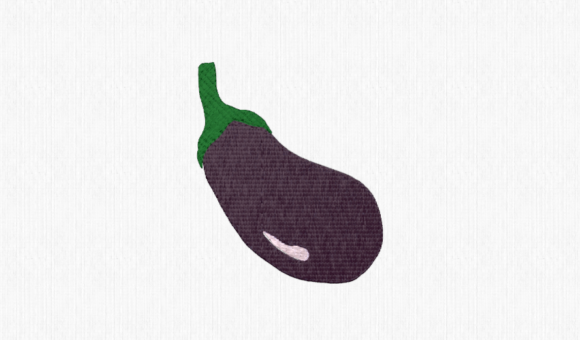
The Cute Eggplant Embroidery Design: A Purple Splash of Fun
When I first saw this eggplant design, I smiled. It’s one of those simple, friendly motifs that immediately sets a mood. It’s cheerful without being loud, playful without being childish. The shape is instantly recognizable—that classic eggplant silhouette with a little cap—but it’s rendered with a softness that feels more like a character than a strict botanical illustration. This isn’t a hyper-detailed vegetable; it’s a personality. For an embroidery designer or a crafter looking to add a touch of whimsy, that’s a great starting point.
The Personality of a Purple Vegetable
The visual personality here is key. This eggplant design feels approachable. It’s a “cute” eggplant, as the description says, and that’s accurate. The level of detail suggests it won’t be a monster to stitch; there’s likely a clean fill for the body and some simpler outlining or details for the stem. This makes it a versatile machine embroidery design. It’s not so complex that it would lose clarity on a textured tote bag, nor so simple that it looks flat on a smooth baby blanket. It occupies a sweet spot that many crafters and small business owners need: a design that stitches up quickly, looks polished, and has enough charm to stand on its own.
My first thought for application was, naturally, kitchen linens. An apron, a set of napkins, a tea towel—that “purple splash” would be perfect. But as I considered it further, I realized its appeal could be broader. This isn’t just a kitchen icon. It’s a fun graphic. Imagine this eggplant embroidered on the cuff of a little one’s sweatshirt, or as a small, repeated motif on a pillow cover for a bright, modern nursery. For an Etsy seller creating personalized gifts, it could be a wonderful accent on a wedding gift tea towel for a couple who loves cooking, or a playful element on a custom tote bag for a gardener.
Stitching It Into Real Life: A Scenario
Let’s walk through a real-life scenario. I’m preparing a custom order for a client who runs a small boutique selling handmade home goods. She wants a series of embroidered linen pillow covers with food-themed designs for a kitchen-themed guest room. The eggplant is in the lineup. I pull out my medium-weight linen, choose a stabilizer appropriate for the fabric’s loose weave, and select a rich purple thread—perhaps with a slightly glossy finish to give the fill stitch a little extra depth.
After testing the embroidery file on a scrap of the same linen (a non-negotiable step), I stitch it out. The design stitches cleanly. The shape holds its form. On the light linen background, that purple splash is vibrant and clear. It doesn’t feel overly dense; the stitch density seems appropriate for a home decor item that needs a soft, textile feel, not a stiff, plastic-like patch. The finished look is exactly what the boutique owner wanted: handmade but professional, cute but not kitschy. It elevates the pillow from a plain sewing project to a branded, desirable product for her shop.
Where This Eggplant Really Thrives
For creative entrepreneurs, this design fits naturally into several lanes.
- Custom Apparel: On the chest of a cotton t-shirt or the sleeve of a sweatshirt, it’s a subtle, fun statement. It would work beautifully as a small accent on baby clothes, like a onesie, without overwhelming the tiny garment.
- Home Decor & Gifts: Kitchen towels, aprons, and napkins are classic. But consider it for a blanket edge or a wall hanging. Its friendly vibe makes it a great holiday gift for a foodie friend.
- Boutique Merchandise: For small shop products, it offers a cohesive look if you’re building a food-themed line. Pair it with a tomato, a carrot—it becomes part of your brand’s visual assets.
- Embroidered Patches: With its defined shape, it could be stitched onto a sturdy backing to create a standalone patch for a cap or bag, appealing to a younger, craft-oriented market.
Careful Placement: When to Think Twice
While this eggplant is adaptable, a practical review requires noting where you should proceed with caution. Any embroidery design has its limits.
- Very Small Hoop Sizes: If the design is digitized for a larger area, forcing it into a tiny hoop might compromise detail, especially on that little stem cap. Always confirm the recommended hoop size for the embroidery file.
- Textured or Stretchy Fabrics: On a heavily textured sweater or a stretchy knit, small details might get lost. A good stabilizer strategy is critical here.
- Dark Fabric Backgrounds: That “purple splash” relies on contrast. On a black or navy sweatshirt, you’d need to possibly alter thread colors—a brighter purple or even a white outline—to maintain clarity. Testing on both light and dark scrap fabric is essential.
- Products for Frequent Washing: If you’re stitching it onto a kitchen towel that will be laundered weekly, ensure your stitch density and stabilizer choices make it durable. A too-dense fill stitch on thin cotton could pucker or stiffen the fabric over time.
- Curved Surfaces Like Caps: Embroidering directly onto a cap’s curved front requires design adaptation. The eggplant’s round shape might work, but the digitization needs to be suitable for curved surfaces. It might be safer to create a patch first.
The Impact on Your Business and Craft
From a business perspective, a design like this affects more than just the stitch-out. Using it well enhances your product’s value. A clean, cheerful embroidery on a handmade item increases customer trust; it looks intentional and skilled. For an Etsy seller, it makes your product photos pop in listings and printable mockups. For a crafter making personalized gifts, it boosts the giftability—it feels special and thoughtfully chosen.
It also aids in brand consistency. If you’re a digital product seller offering embroidery files, including a well-digitized, versatile design like this in your portfolio attracts buyers looking for reliable, usable assets. For commercial embroidery projects, a design that stitches predictably saves time and reduces errors, directly impacting your professionalism and bottom line.
Practical Notes Before You Hoop
Before you commit this eggplant to a client’s project or your own shop merchandise, here’s my routine checklist, based on years of reviewing designs:
- Always, always stitch a test on a scrap of your target fabric. This reveals everything about thread tension, density, and color interaction.
- Analyze the thread colors needed. Does the design call for multiple purples? Just one? Check the file details. Plan your palette.
- Consider the fabric texture. A smooth quilting cotton will show every satin stitch beautifully. A linen napkin might give it a more rustic, lovely look.
- Think about scale. How big will it feel on the final product? On a tote bag, it could be a central graphic. On a cap, it should be smaller.
- For digital sellers and those using the design for commercial projects: confirm the licensing terms. Know if you can sell the finished embroidered product freely or if there are restrictions. This is a fundamental step for any craft business.
- Finally, imagine it in context. Create a simple black and white mockup of the design on a sweatshirt or towel. Does it still look balanced and appealing? This helps gauge its visual strength beyond color.
In the end, this cute eggplant embroidery design is a solid, fun choice. It’s not a dramatic, complex piece, but in the world of machine embroidery for real products, that’s often exactly what you need. It’s a design that will stitch up reliably, bring a smile to your customer’s face, and integrate smoothly into a wide range of projects—from a quick holiday gift to a line of boutique kitchenware. It’s the kind of purple splash that doesn’t just decorate an item; it gives it a little bit of character.