The Lily Flower Embroidery Design for Branded Merchandise
A Professional Designer's First Impression
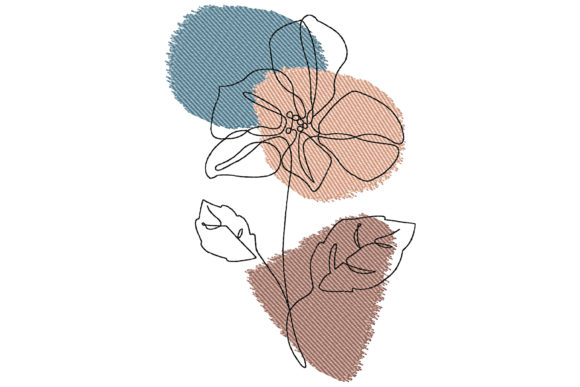
As an embroidery designer who works daily with small business branding, my immediate reaction to the Lily Flower design is one of appreciation for its delicate elegance. The description suggests a superb and versatile piece, and that promise holds true. This isn't a loud or overly bold graphic; it's a refined, classic floral motif. For a business, this translates to a professional and premium feel. It carries a sense of calm, beauty, and attention to detail—qualities many boutique shops, cafés, florists, and creative studios want to communicate.
Real Business Applications for Lily Flower
This embroidery file is far more than just a decoration. Its strength lies in its adaptability across a wide range of small business merch and branding touchpoints.
Staff Uniforms & Professional Apparel
Imagine a boutique or café using the Lily Flower as a chest logo accent on staff polo shirts. Its elegant nature elevates a simple uniform. For a baker or florist, a single lily embroidered on an apron apron creates a sophisticated, handmade product vibe that customers notice. On a chef’s jacket or a studio’s work shirt, it serves as a subtle yet distinctive brand mark.
Caps, Totes, and Customer-Facing Merchandise
This design excels as a cap embroidery for a smaller front panel or as a side detail. For a tote bag design, a well-placed lily adds significant perceived value, transforming a basic bag into branded merchandise worth selling or giving as a customer gift. It's perfect for event merch or as an accent on product packaging for a handmade shop.
The Power of the Embroidered Patch
Perhaps its most versatile application is as a embroidery patch. A Lily Flower patch can be applied to denim jackets, backpacks, or hats, offering businesses a flexible, lower-cost way to create branded items. Etsy sellers can use patches as product add-ons, while pet brands or local businesses can create limited-run patch collections for customer loyalty.
Where to Use Lily Flower Carefully
While versatile, every machine embroidery design has practical limits. For the Lily Flower, success depends on mindful application.
- Small Sizes: If using it as a tiny patch (under 2 inches) or a miniature cap front design, the delicate details must hold up. Without knowing the exact stitch density, I advise testing a small sample first.
- Complex Surfaces: Curved surfaces like caps require adjustments. The design’s elegance might be compromised if it must be overly distorted to fit a curve.
- Fabric & Color Choice: On textured fabrics like some towels or thick sweatshirts, fine lines can get lost. Embroidering on dark uniforms requires high-contrast thread colors to maintain visibility.
- Durability Needs: For items needing frequent washing, like work shirts or kitchen aprons, a clean, sturdy stitch construction is vital. Check the design’s outline integrity.
Impact on Brand Identity and Customer Perception
Choosing the Lily Flower for your custom apparel and merchandise isn't just a stylistic choice; it's a strategic branding decision.
A well-executed embroidery signalizes quality. It tells customers your business invests in its presentation. For a floral shop, it reinforces core offerings; for a café, it suggests a natural, tranquil atmosphere. This consistency across uniforms, tote bags, and patches builds brand identity and fosters customer trust and recognition.
The handmade presentation of embroidery, compared to printed logos, often increases perceived product value and buyer engagement. It feels more permanent and cared-for. Using this design across your design assets creates a cohesive visual story that makes your small business feel established and professional.
Practical Designer Notes Before You Stitch
Before running this digital embroidery file for commercial embroidery projects, here is my standard review checklist.
- Test in Black and White: Create a simple stitch-out in one color to assess the underlying structure and clarity of the design without color complexity.
- Verify Scale for Patches: Hoop it at your intended small patch size to ensure details like petal tips and outlines remain crisp and don't merge into a blob.
- Review Thread Color Contrast: Plan your palette. Does it provide enough contrast against your standard fabric colors (e.g., black aprons, white shirts)?
- Inspect Spacing and Density: Look for areas where stitch spacing might be too tight or too loose, which can affect durability and appearance on different fabrics.
- Confirm Hoop Size Compatibility: The description doesn't specify a required hoop size, so match the design dimensions to your machine's capabilities and the item's available space.
- Test on Real Fabric: Never rely solely on a printable mockup. Stitch it on a scrap of the actual fabric you'll use (e.g., apron twill, cap mesh, tote bag cotton) using the appropriate stabilizer.
- Create a Mockup for Client Approval: If you're an embroidery shop producing for a business client, a visual mockup showing the Lily Flower on their shirt or bag is crucial for final approval.
- Compare with Other Assets: Place the stitched sample beside your client's other branding elements (logo, font) to ensure visual harmony.
- Confirm Commercial Licensing: The product is categorized as Embroidery under Single Flowers. Always verify the license terms of the specific file to ensure it permits use on finished products you intend to sell.
Final Thoughts for Merch Creators
The Lily Flower embroidery design is a strong candidate for businesses seeking a graceful, versatile brand accent. Its elegance can elevate uniforms, create sellable merchandise, and strengthen brand identity through tactile, quality embroidery. By following a thorough testing process—focusing on scale, fabric, and color—you can ensure this superb design performs beautifully across your entire line of small business merch, from the first staff apron to the last customer gift tote bag.