Cat and Flowers Embroidery: A Professional Review for Business Use
As an embroidery designer who regularly works with small businesses, I receive many machine embroidery files for review. Today, I'm evaluating the Cat and Flowers design purely from a commercial perspective. This isn't about home décor; it's about how this file performs as an asset for branded merchandise, patches, uniforms, and product labels. My goal is to assess its potential to add value, strengthen brand identity, and survive real-world use.
First Impression: Elegant, Friendly, and Professionally Versatile
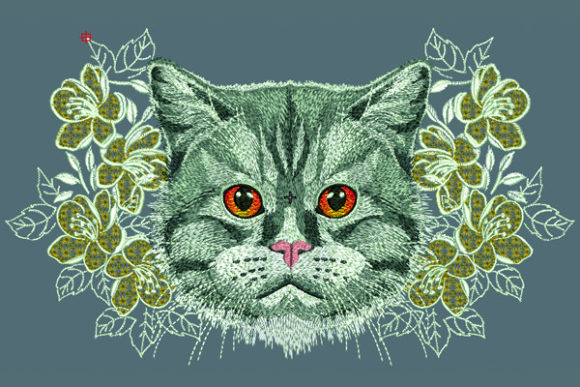
From the product description, Cat and Flowers promises an elegant and gorgeous result on any fabric. The title itself suggests a blend of playful charm and decorative beauty. For a small business, this combination is powerful. A café, boutique, florist, pet brand, or creative studio can leverage this duality. It feels friendly enough to engage customers and elegant enough to convey a sense of care and quality. The design avoids being overly rustic or cartoonish, which positions it well for businesses wanting a touch of handmade personality without sacrificing a professional finish.
Real-World Applications for Small Business Merchandise
Let's translate that first impression into practical business use. Imagine a local café wanting embroidered staff aprons or a boutique creating custom tote bags. Cat and Flowers could serve beautifully as a chest logo accent, a sleeve detail on a uniform polo, or a central mark on a canvas tote. For a pet brand or a handmade shop on Etsy, this design could become the signature embroidered patch applied to product packaging, customer gift items, or event merchandise. Its visual theme is naturally appealing, which aids in customer recognition and product value perception.
The claim that it is "fun and easy to stitch" is crucial for commercial embroidery projects where time and reliability matter. A smooth stitching process means fewer production headaches for embroidery shops and apparel decorators, leading to consistent quality across a batch of caps, work shirts, or product labels. This consistency is foundational for visual brand consistency.
Key Considerations for Specific Applications
While the design seems versatile, its application requires careful planning. For embroidered patches, especially small ones for product accents, the detail in the flowers and the cat's outline must be evaluated at a reduced size. High stitch density in floral elements might need adjustment for very small patches or cap fronts where curvature can distort dense fills. On dark uniforms or fabrics, thread color contrast becomes paramount; a test stitch is essential. For items like aprons or tote bags that undergo frequent washing, the stitch structure and stabilizer choice will determine longevity.
Building Brand Identity and Trust Through Embroidery
An embroidered logo or mark carries a tangible sense of quality. When a customer sees Cat and Flowers neatly stitched onto a staff apron or a merchandise item, it signals attention to detail. This elevates the perceived professionalism of the business. For a handmade brand, embroidery like this reinforces the artisan presentation, directly engaging buyers who value craftsmanship. It transforms a simple item into a branded keepsake, fostering customer trust and loyalty. The design's inherent elegance can align a brand with qualities like creativity, care, and a natural, approachable aesthetic.
Practical Designer Notes for Commercial Success
Before committing this design to a production run, follow these professional steps. First, always test stitch it in black and white thread on your target fabric to assess the core contrast and outline clarity. Second, specifically test it at the smallest intended patch size to ensure details remain crisp. Third, review the provided thread color list—if any—and consider how those colors translate to your brand palette and the fabric color, especially for dark backgrounds.
Inspect the spacing within the design; tight areas between flower petals or the cat's features can be problematic on textured fabric if not properly digitized. Confirm the required hoop size from the file details before loading it; this affects which items you can embroider. Always use the proper stabilizer for the base material; a tote bag requires different support than a cotton cap. Crucially, create a printable mockup for client approval before stitching physical samples. This aligns expectations and avoids costly errors.
Finally, compare the stitched sample beside your other brand assets to ensure visual harmony. And most importantly, confirm the commercial licensing terms of the Cat and Flowers embroidery file before using it for business products. The description mentions it comes with multiple formats, but the license specifics are not detailed here—always verify this to ensure your use is compliant.
Where to Use with Confidence and Where to Exercise Caution
This design should excel on larger, flat areas like the center of tote bags, the back of uniforms, or apron bibs. It would work well as a prominent feature on boutique merchandise. Exercise more caution with very small applications like tiny product label patches or the curved, limited space on a cap front. Tiny lettering, if present within the design, may not stitch cleanly at reduced sizes. High stitch density, often associated with detailed floral fills, can be challenging on lightweight or stretchy fabrics without careful stabilizer selection.
Final Thoughts for Merch Creators and Craft Businesses
Cat and Flowers presents a compelling option for small businesses looking to add an embroidered touch to their physical brand presence. Its aesthetic leans towards elegant and friendly, a combination that resonates in customer-facing environments. For embroidery shops and digital embroidery file buyers serving these clients, it represents a versatile asset. Its true value will be proven in the stitching: a clean, reliable embroidery file that produces a gorgeous, consistent result is a commercial tool. It can transform a simple cap, apron, or bag into a branded product that tells a story of quality and care. Always test, verify, and stitch with purpose to unlock that potential for your brand or your clients.