Knight Embroidery Design: A Knight Fit for Real Projects?
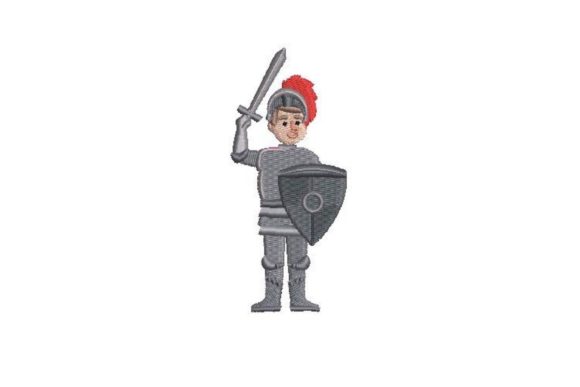
Let’s talk about Knight. As an embroidery designer who regularly evaluates files for client work and my own small shop products, my first glance at this design is telling. It belongs to that broad, evocative Fairy Tales category, which is a fantastic starting point. The description suggests pairing it with a “princess design,” hinting at a classic, storybook theme. This isn’t just a graphic; it’s a character. The mood it creates is one of chivalry, protection, and a touch of fantasy. It feels ready for projects that tell a story, whether for a child’s item or a nostalgic gift.
Where This Knight Finds Its Castle
The visual personality of Knight—assuming a traditional, likely armored figure—means it naturally belongs to projects with a personal touch. I’m immediately thinking about a custom embroidered sweatshirt for a history buff, a tote bag for a book lover, or a pillow cover in a cozy, literary-themed living room. For a creative entrepreneur, this design could elevate a simple baby blanket into a cherished heirloom gift, or transform a standard apron into something special for a boutique kitchen line. The key is its recognizability; a knight emblem carries instant meaning.
In real-life embroidery situations, this is where you judge a design’s practicality. For apparel decorators, consider how Knight would stitch out on a polo shirt for a small business logo, or on the back of a cap for a themed event. For Etsy sellers and craft fair vendors, imagine it on a tea towel as a unique holiday gift, or as a framed embroidered patch for nursery decor. Its success hinges on stitch clarity. If the design has clean, distinct lines—good separation between armor details, for example—it will translate beautifully into a finished product that feels professional and valuable.
The Battlefields: Where to Use This Design with Care
Not every fabric is a knight’s kingdom. Here’s the practical, realistic side of the review. Without knowing the exact hoop size or stitch density from the provided files, some general advice is crucial. If the design is detailed with small elements like intricate helmet features or tiny sword accents, you’ll want to avoid very small hoop sizes. Those details could become lost or muddy.
Textured fabrics like some sweaters or stretch fabrics like t-shirts require extra stabilizer and attention to keep the silhouette sharp. Embroidering on a curved surface like a cap? The design’s shape needs to accommodate that curve. If Knight is very wide or rectangular, it might not sit well. For dark fabric backgrounds, thread color contrast is paramount; a knight design often uses metallics or lighter colors, so a test on scrap fabric is non-negotiable to ensure visual appeal isn’t compromised.
Think about the product’s life, too. Is this for a child’s jacket that will need frequent washing? Dense fill stitch areas can affect flexibility and durability. Always inspect those small details in your test stitch-out.
How This Design Impacts Your Business and Your Customer
When you use an embroidery design like Knight in your craft business, you’re making a statement about quality. A clean, well-executed stitch-out of a recognizable character builds customer trust. It shows you’ve chosen a design with strong visual personality and stitched it with care. That enhances your handmade presentation and supports brand consistency if fairy-tale or heroic themes are your niche.
For personalized gifts, say a wedding gift with the couple’s names and this knight emblem, the design adds a layer of narrative and thoughtfulness, boosting its giftability. In commercial embroidery projects, like branding for a gaming cafe or a library, the professionalism of the final stitch affects buyer engagement directly. It’s not just a logo; it’s an experience.
Practical Notes from the Hoop
Before you commit this machine embroidery design to a real project, here’s my routine. I always test the design on scrap fabric first, preferably a similar material to my final project. This reveals everything: the true stitch density, how small details like a plume or shield emblem hold up, and whether my chosen thread colors have enough pop on both light and dark backgrounds.
I also run it through black and white mockups in my design software to check the silhouette’s strength without color. This is especially useful for creating printable mockups for my digital product listings or for client previews. Speaking of digital: this embroidery file comes with multiple formats, which is excellent, but always confirm the specific formats and their compatibility with your machine before starting.
Most importantly, since the description doesn’t specify licensing, confirm licensing before selling finished items or digital products. If you’re an Etsy seller or digital product seller offering the stitched item, you must know if the license permits commercial embroidery use. This protects your small shop product and your business.
A Final, Real-World Scenario
Imagine I’m preparing a custom embroidered tote bag for a client’s bookstore launch. They want a medieval fantasy theme. I pull up Knight. My process: test stitch on canvas scrap, check that the satin stitch borders (if present) are smooth and that any running stitch outlines are crisp. I assess if the overall size fits the bag’s panel without overwhelming it. I consider pairing it with a simpler text font for the bookstore name, ensuring the knight remains the hero of the design. The result? A unique, high-value handmade product that tells a story and feels expertly made. That’s the real test for any embroidery design, and Knight, with its classic theme, has the potential to pass it beautifully—provided you do your homework first.